
Author: Abisola Fashina
Nigeria’s dairy sector is valued at between US$1.5 and US$2 billion annually, yet it remains a fraction of what it could be.
Despite this potential, the country still spends about US$1.5 billion each year on dairy imports, even as annual consumption reaches approximately 1.6 billion litres of milk and dairy products (Federal Ministry of Information and National Orientation, 2024; BusinessDay, 2024).
Domestic production, estimated at roughly 700 million litres annually, meets less than half of national demand (Agrobroadcast, 2025).
This supply gap not only exposes Nigeria’s dependence on imports but also presents a significant opportunity to strengthen the domestic dairy industry.
Over the years, there have been several interventions from government programmes, donor-funded projects, and private sector investments. However, their impact has remained limited because the enabling structures are still developing.
Without reliable cold chain systems, efficient milk collection networks, and adequate processing facilities, it becomes difficult to convert production into real, scalable value.
Abundant Milk Supply, Fragile Systems
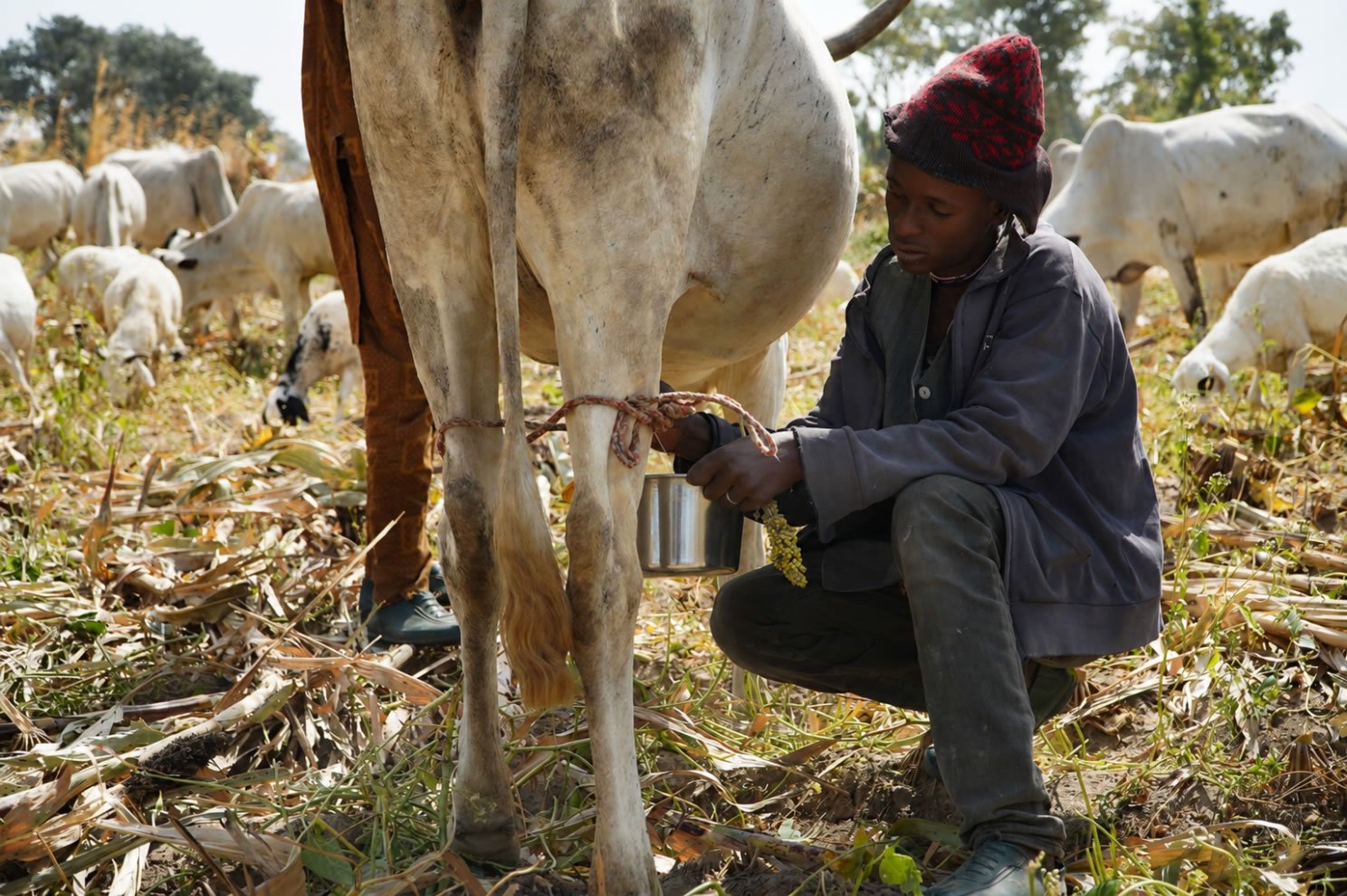
In Northern Nigeria, dairy farming is deeply embedded in pastoral and agro-pastoral livelihoods. Research on Nigeria’s dairy systems shows that the country’s cattle population is concentrated in the North, with pastoralists accounting for most local milk production, largely through low-input traditional systems (Livestock Data for Decisions (LD4D), 2026).
These traditional production systems provide a steady supply of raw milk, with dairy households typically producing between 8 and 10 litres daily, although production varies depending on herd size, breed, feed availability, animal health, seasonality, and management practices.
The challenge is not milk availability, but the inability of formal market systems to collect, preserve, and process it efficiently. As a result, much of the milk flows through informal channels where significant value is lost because of poor storage, weak logistics, and limited market access.
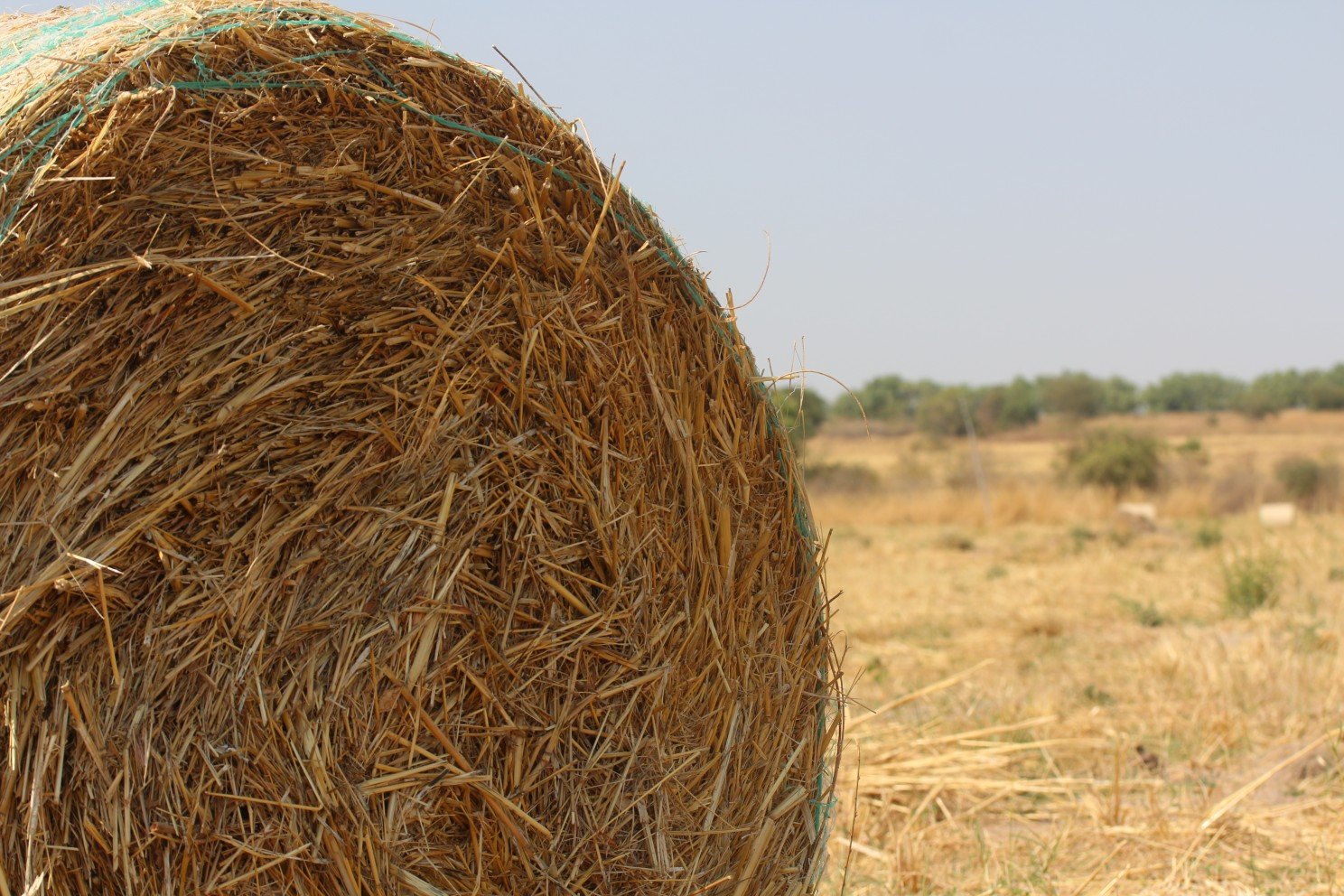
Historically, dairy farming in these communities was largely subsistence-oriented, prioritising household consumption over commercial sales. That, however, is beginning to change.
A System Beginning to Shift
We are now seeing early signs of transformation. One of the key drivers of this shift has been the Advancing Local Dairy Development in Nigeria (ALDDN) programme, implemented by Sahel Consulting ing and funded by the Gates Foundation.
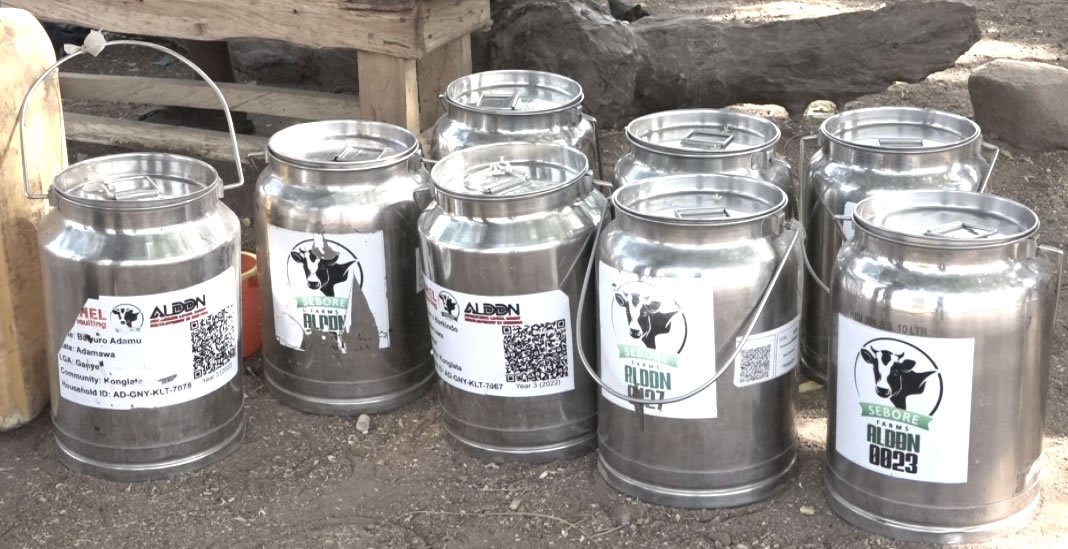
Over six years, the programme engaged approximately 60,000 beneficiaries across 15,000 farmer households in seven states, spanning animal health, productivity improvement, farmer organisation, market linkages, and policy advocacy.
Cumulatively, ALDDN supported the production and aggregation of over 15 million litres of milk (Sahel Consulting, 2026).
The results demonstrate a clear principle: when farmers are supported by functioning market systems, including milk collection, aggregation, cold chain infrastructure, transportation, and processing capacity, they respond rapidly by increasing production and commercial engagement.
However, the growth in milk supply is now outpacing the infrastructure required to aggregate, preserve, transport, and process it efficiently, creating a critical bottleneck and a significant investment opportunity within the dairy value chain.
Where The Real Opportunities Are:
1. Large-scale Processing Capacity is still Missing
Most processing in Northern Nigeria is still small-scale and informal. Many operators lack proper pasteurisation, chilling, and packaging systems. As a result, much of the fresh milk produced each day is either lost or sold through informal markets at low value because it cannot be processed quickly enough.
There is a clear opportunity for large-scale, modern processors that can handle consistent volumes and convert raw milk into value-added products like pasteurised milk, yoghurt, and cheese.
2. Payment Systems Determine Farmer Participation and Supply
For many producers, especially pastoralists and women milk collectors, participation in formal markets depends heavily on one thing: trust in payment. When payments are delayed or uncertain, farmers naturally limit supply to the off-takers with such a track record and prefer to sell to informal markets instead. But when payments are fast and reliable, they scale up supply.
Digital payment systems like mobile money, e-wallets, and instant settlement can fundamentally change this dynamic. Digital payment systems must also be supported by accessible banking services or Point-of-Sale (POS) facilities, allowing farmers to convert digital payments into cash for everyday transactions within their communities.
As one ALDDN beneficiary farmer in Zaria noted:
“If payments are made on time, we are encouraged to supply more milk and can plan our supply activities more effectively.”

3. Logistics and Cold Chain Remain Major Bottlenecks
As a highly perishable commodity, milk requires efficient aggregation, cooling, and transportation to maintain quality and market value. FAO highlights that inadequate storage facilities, poor handling practices, and weak transportation systems remain major causes of food losses, posing constraints to the efficient movement of milk from smallholder dairy farmers to processors.
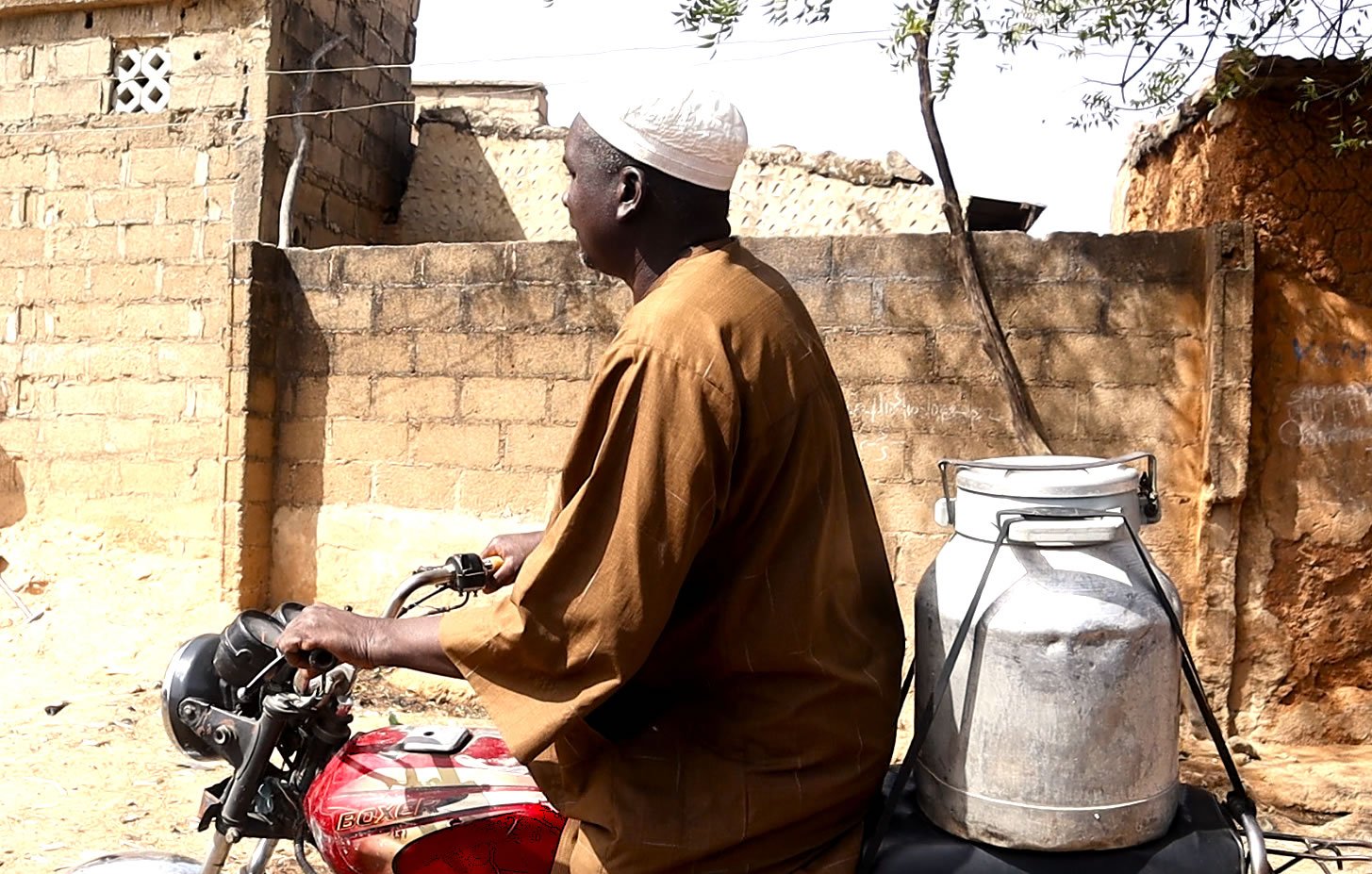
Many rural producers transport milk over long distances on motorcycles without refrigeration, exposing it to heat, spoilage, and quality deterioration before it reaches processors. Limited transport capacity also means not all milk is collected daily, forcing some farmers to rely on middlemen who reduce their earnings.
Addressing these challenges will require investment in:
⏭️ Milk collection centres with sufficient capacity
⏭️ Cold storage facilities at aggregation points
⏭️ Refrigerated transport systems
⏭️ Improved rural road networks
A smallholder farmer from Birnin Kudu, Jigawa State, explained it clearly:
“During the peak periods, we supply at least 200 litres of fresh milk, but the Milk Collection Centre’s capacity is not enough to serve all dairy farmers here in Birnin Kudu. This leaves us with no choice but to sell to the open market. We hope that the MCC’s capacity is expanded to match our daily supply capacity.”
4. Market Development Remains an Untapped Opportunity
While dairy consumption in Nigeria continues to grow, market development remains one of the developing components of the local dairy value chain. Despite the country’s large consumer base, one of the major barriers facing local dairy development is the competitiveness of imported dairy products.
Imported dairy products often enter the Nigerian market at prices local processors struggle to match because of lower production costs and decades of investment in large-scale dairy systems. At the same time, domestic producers continue to face high costs associated with feed, animal health, transportation, aggregation, cooling, and processing.
For local processors, success therefore requires more than increasing milk production. It requires building strong consumer-facing brands capable of competing on quality, convenience, affordability, and trust. Urban consumers increasingly demand dairy products that meet modern expectations for food safety, nutritional value, packaging quality, and availability across retail outlets.
Encouragingly, several Nigerian dairy brands have demonstrated that locally produced dairy products can gain market acceptance when supported by effective market development strategies.
Companies such as L&Z, Sebore Farms, Integrated Dairies Limited, SAJ Foods, Friesland Campina WAMCO, through their investment in local milk sourcing initiatives, and indigenous processors operating in fresh milk, yoghurt, and dairy beverage segments have shown that consumers are willing to purchase locally sourced products when quality standards are consistently maintained, and products are readily available in the market.
Addressing these constraints will require investments not only in production and processing but also in market-building activities. These include product development, branding, consumer education, retail partnerships, quality certification, cold-chain distribution, and digital marketing strategies that strengthen consumer confidence in locally produced dairy products.
Ultimately, the long-term growth of Nigeria’s dairy sector will depend not only on producing more milk but also on creating a competitive marketplace where locally sourced dairy products can successfully compete with imported alternatives and capture a larger share of the country’s growing dairy demand.
Conclusion
The progress achieved through initiatives such as the Advancing Local Dairy Development in Nigeria (ALDDN) programme demonstrates that Nigerian dairy farmers are willing and able to participate in commercial markets when provided with the right incentives, services, and market linkages.
Scaling Nigeria’s dairy sector will require investments beyond production. Strengthening milk collection, aggregation, cold chain infrastructure, transportation, processing capacity, market development, and inclusive payment systems will be critical to ensuring that the growing milk supply translates into commercial growth.
The progress achieved through the Advancing Local Dairy Development in Nigeria (ALDDN) programme shows that dairy farmers are willing and able to participate in commercial markets when the right market systems are in place.
Sustaining that momentum will require continued investment in milk collection, cold chain infrastructure, processing capacity, transportation, market development, and reliable payment systems. By strengthening these links across the value chain, Nigeria can reduce its dependence on imports, improve rural incomes, create jobs, and build a more competitive dairy industry.
As Dr. Winnie Lai-Solarin, an expert in livestock and dairy in Nigeria, aptly noted:
“Nigeria’s dairy industry is at a crucial turning point, ready for transformation. By adopting market-driven innovation, quality, and standards, we can unlock a thriving market, empower rural communities, and build a resilient dairy sector that nourishes our nation and inspires Africa.”
About the Author
Abisola Fashina is a seasoned Monitoring, Evaluation, Research and Learning Analyst, wielding experience and a fervent passion for instigating positive change within the agricultural sector.