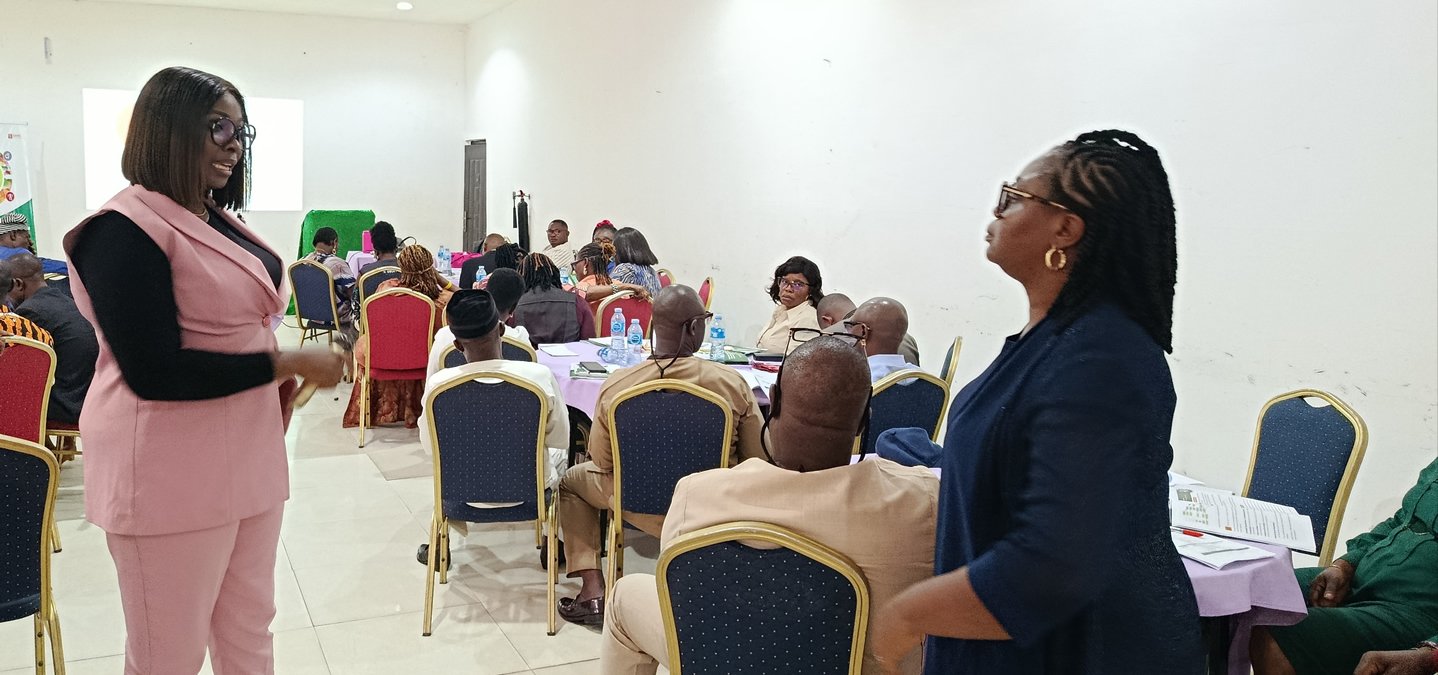
The sun rises over a quiet northern Nigerian village, and the day begins with the soft mooing of cows and the clatter of milk containers. Women and men walk to their sheds, hoping to have a high quantity of milk supply to support their families and sustain their communities. For many, every litre counts. Yet, despite their dedication, milk often goes to informal markets, sales are unpredictable, and opportunities slip away, not because of a lack of effort, but because the structure meant to support them is fragmented and largely unorganised.
This is where cooperatives and self-help groups should make a difference. At their best, they pool resources, unlock collective bargaining power, and expand access to markets, giving smallholder farmers a fighting chance. For women especially, cooperatives go beyond income, creating spaces for leadership, learning, and long-term stability.
However, a recent audit conducted by Sahel Consulting under the Advancing Local Dairy Development in Nigeria (ALDDN) program reveals a more complex reality.
The audit assessed 213 dairy cooperatives across seven Nigerian states, of which 197 were registered. The findings are sobering. Only 1 percent of cooperatives are fully viable. Thirty-three percent are non-viable, while 66 percent fall into a middle category, moderately viable but struggling with foundational issues. At the centre of these challenges are weak governance structures and poor financial systems.
Although 66 percent of cooperatives have bylaws, 20 percent of members are unaware they even exist. This lack of institutional clarity weakens accountability and erodes trust, both of which are essential to group cohesion and performance. Leadership gaps compound the problem. While 73 percent of cooperatives select leaders by consensus, only 53 percent report that elected leaders actively perform their roles. When leadership is symbolic rather than functional, decision-making weakens, and members disengage.
The financial consequences are significant. Only 29 percent of cooperatives have formal off take agreements with processors, and 87 percent do not have bank accounts. Many operate entirely in cash or rely on individual members’ accounts, exposing them to mismanagement and loss. Without strong governance, cooperatives struggle to aggregate milk, negotiate prices, or access credit.
Still, there are bright spots. In Plateau State, the Doruwa Wurogaina Men Cooperative achieved a viability score of 83 percent, supported by active leadership, strong internal systems, proper record keeping, and formal processor linkages. Women led cooperatives are also showing what is possible. The Kungiyan Cigaban Matan Makiyayan Danmagaji Cooperative in Zaria recorded a 71 percent viability score and continues to build capacity through regular meetings, savings schemes, and milk aggregation, despite facing steeper odds.
Strengthening cooperative governance is not just a programmatic recommendation. It is a national imperative. Nigeria spends over 1.3 billion dollars annually on dairy imports. Building viable cooperatives is critical to strengthening local dairy value chains, reducing import dependence, and driving inclusive growth.
To achieve this, a coordinated and multi-stakeholder response is required. The ALDDN audit points to several urgent actions:
- Promote Cooperative Governance Standards with Supportive Oversight: Policymakers and partners should set clear standards, including bylaws, leadership roles, and evaluations, while providing capacity building in finance, management, and leadership. This ensures cooperatives operate sustainably and remain accountable without overburdening smaller or new groups.
- Expand Access to Financial Services: Financial institutions and fintechs should simplify access, build trust, and adapt financial products to serve diverse cooperatives, including those without traditional collateral.
- Strengthen and Sustain Formal Market Linkages: Strong commercial relationships need partnerships between cooperatives, processors, and enablers. Early support from partners can coordinate, de-risk, and build capacity, but long-term success depends on evolving into self-sustaining, market-driven links.
- Design Gender-Responsive Support Strategies: Female-led cooperatives face the highest rates of non-viability. These challenges should be seen as opportunities for tailored support, including access to finance, strengthening leadership capacity, and integrating into formal value chains to unlock their full potential.
These are not just operational steps; they are investments in resilience, equity, and local ownership. With the right support, Nigeria’s dairy cooperatives can move from survival to sustainability.
What approaches have you seen work best in strengthening governance, financial access, or market linkages, especially for women-led cooperatives?
Published on LinkedIn